
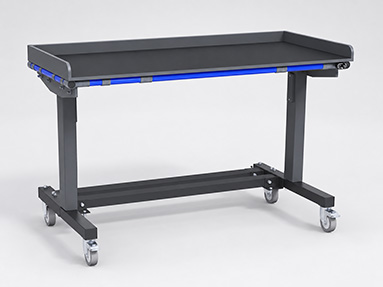
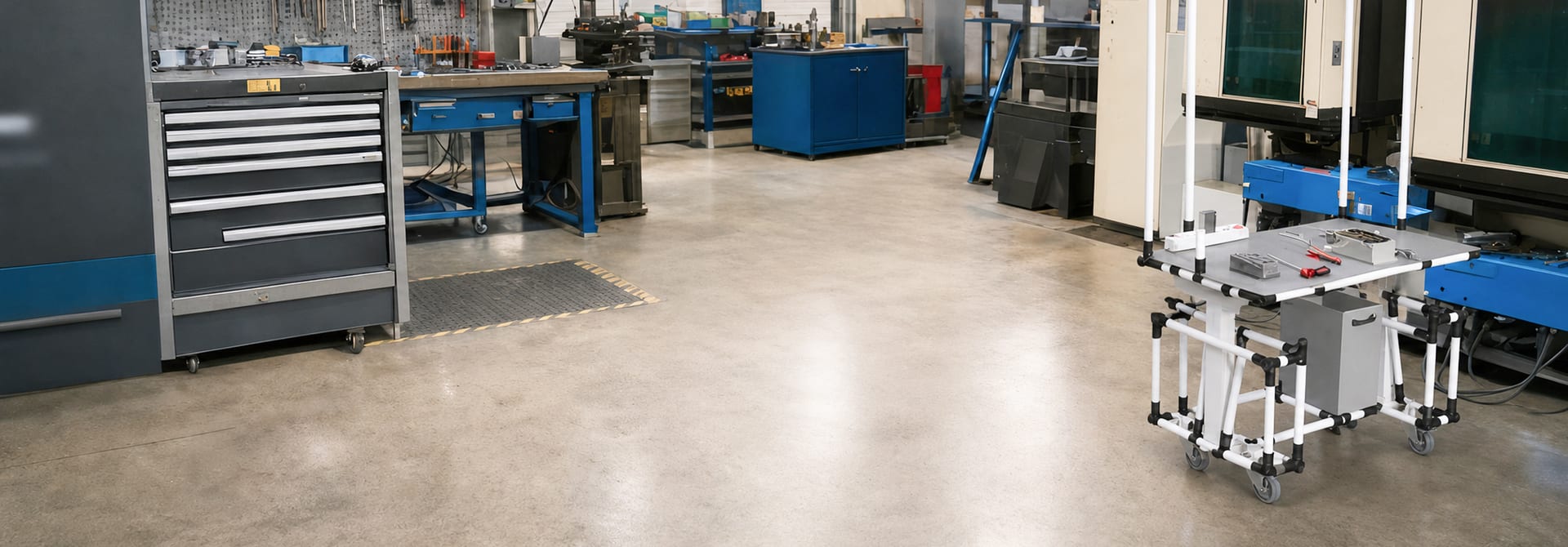
Lifting Table
The industrial lifting table is essential equipment for vertical material handling in workshops and warehouses. It adjusts working height to the operator, reduces strain and smooths logistics flows, while guaranteeing safety and precision when lifting loads from 500 kg to 10 tons.
See our projects
100% customizable, locally made, capacities from 500 kg to 10 tons
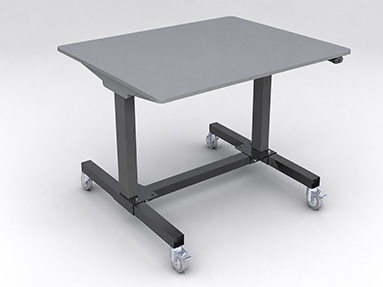
Table élévatrice
Explore a similar need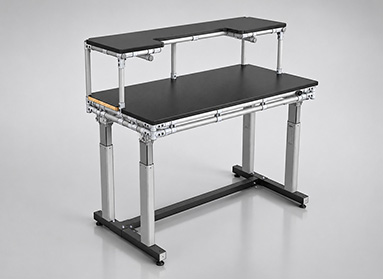
Table élévatrice
Explore a similar need
Table élévatrice
Explore a similar need
Table élévatrice
Explore a similar need
Table élévatrice
Explore a similar need
Table élévatrice
Explore a similar need
Table élévatrice
Explore a similar need
Table élévatrice
Explore a similar need
Table élévatrice
Explore a similar need
Table élévatrice
Explore a similar need
Table élévatrice
Explore a similar need
Table élévatrice
Explore a similar need
Table élévatrice
Explore a similar need
Table élévatrice
Explore a similar need
Table élévatrice
Explore a similar need
Table élévatrice
Explore a similar need
Table élévatrice
Explore a similar need
Table élévatrice
Explore a similar need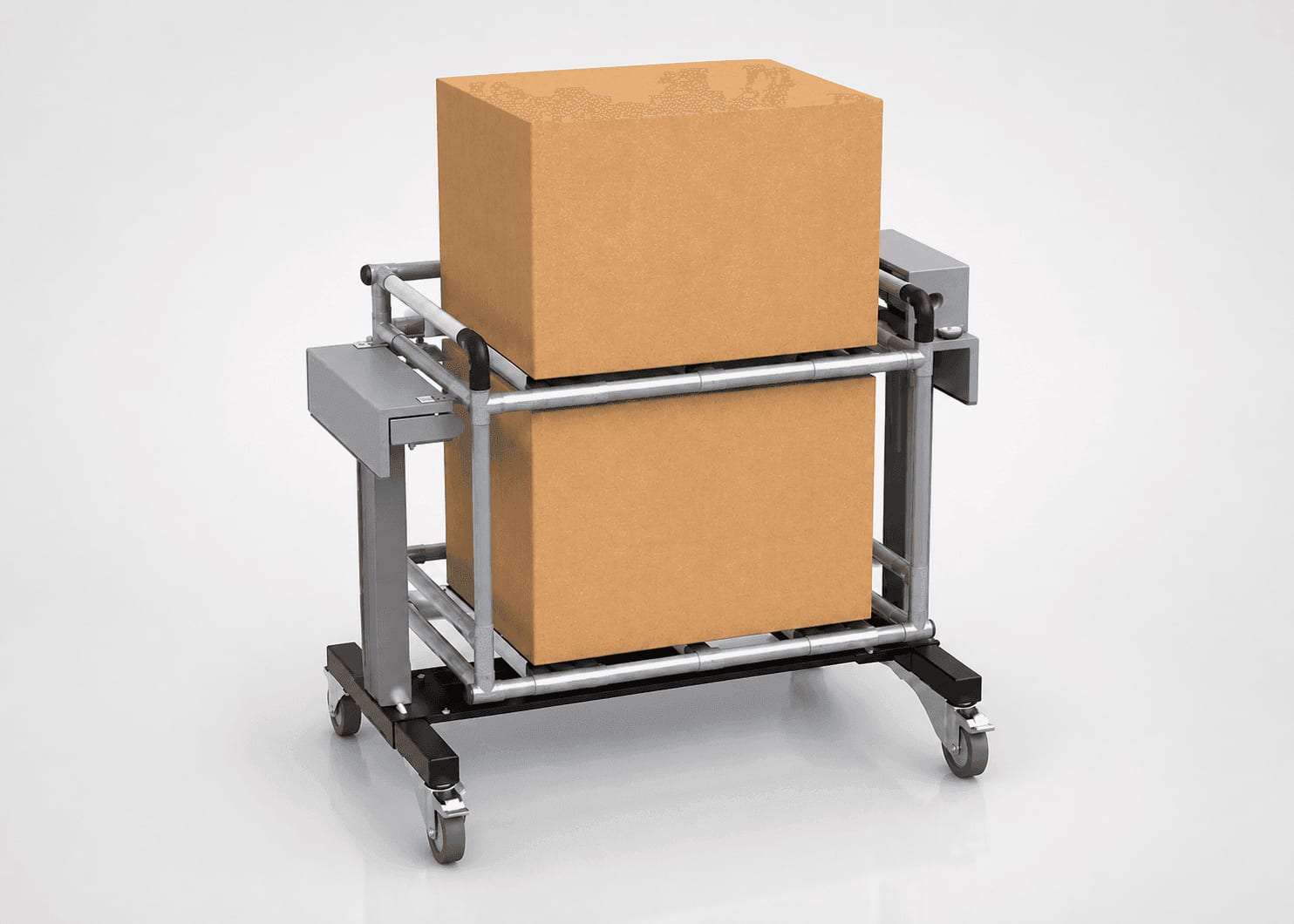
Table élévatrice
Explore a similar need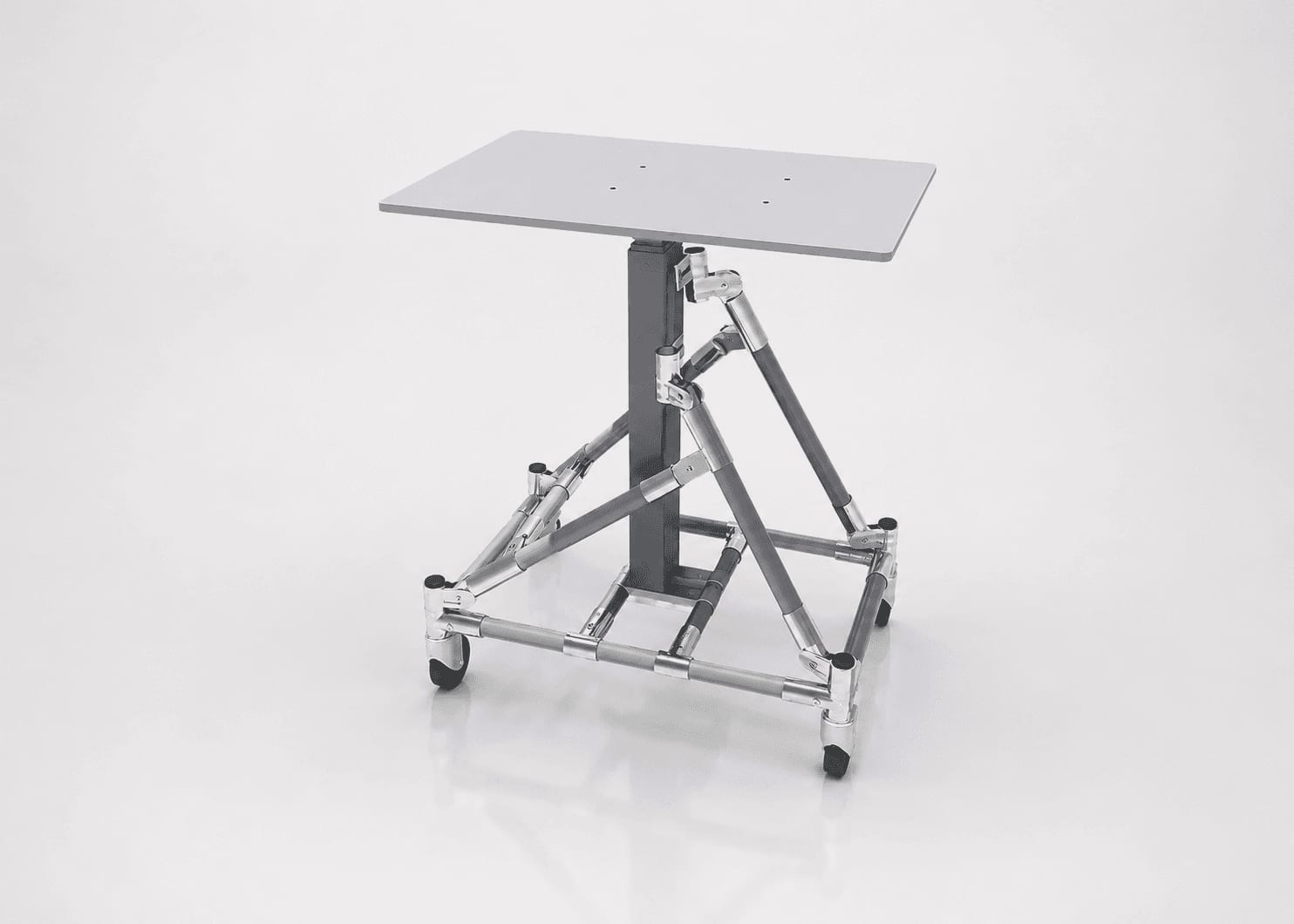
Table élévatrice
Explore a similar need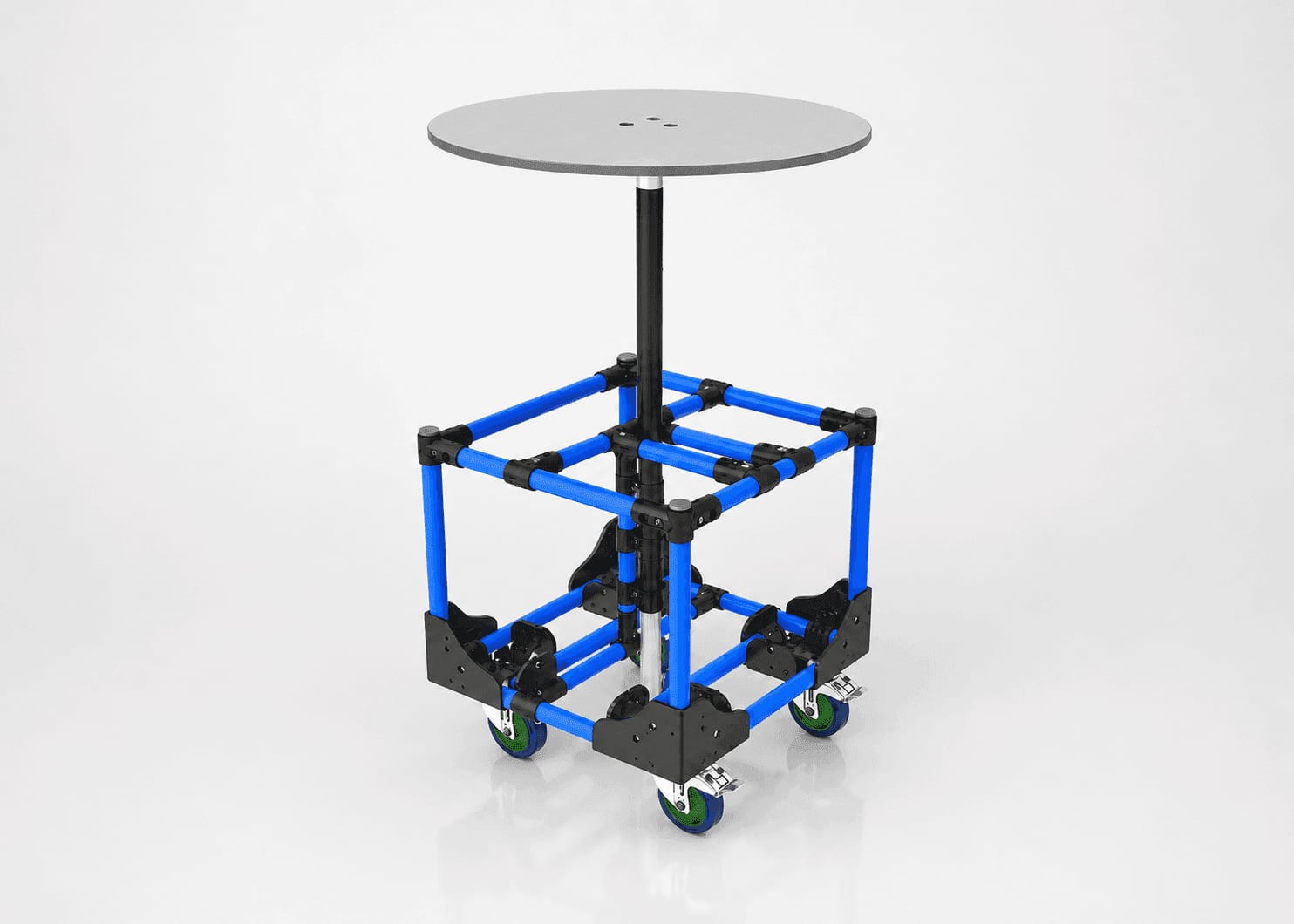
Table élévatrice
Explore a similar need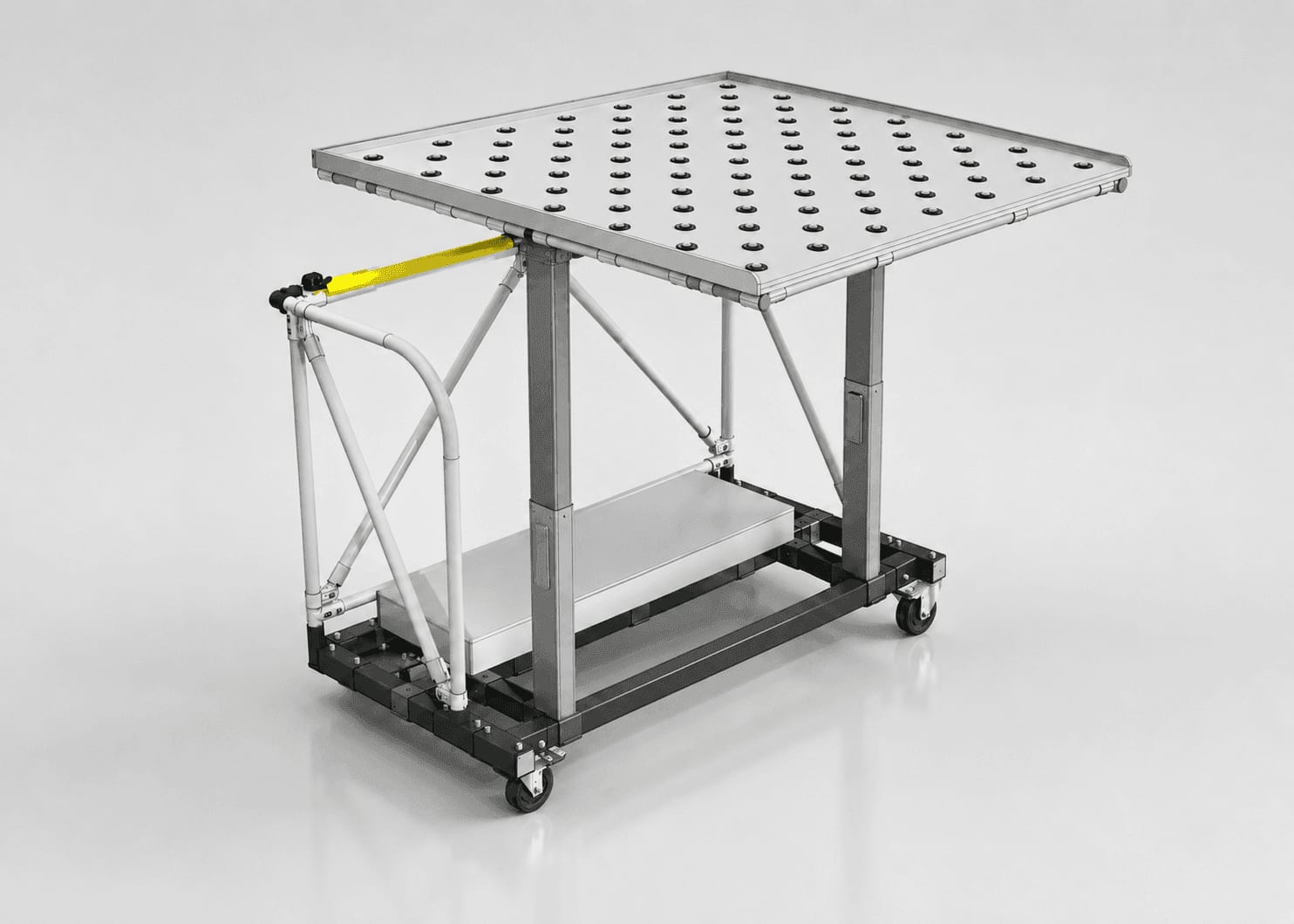
Table élévatrice
Explore a similar need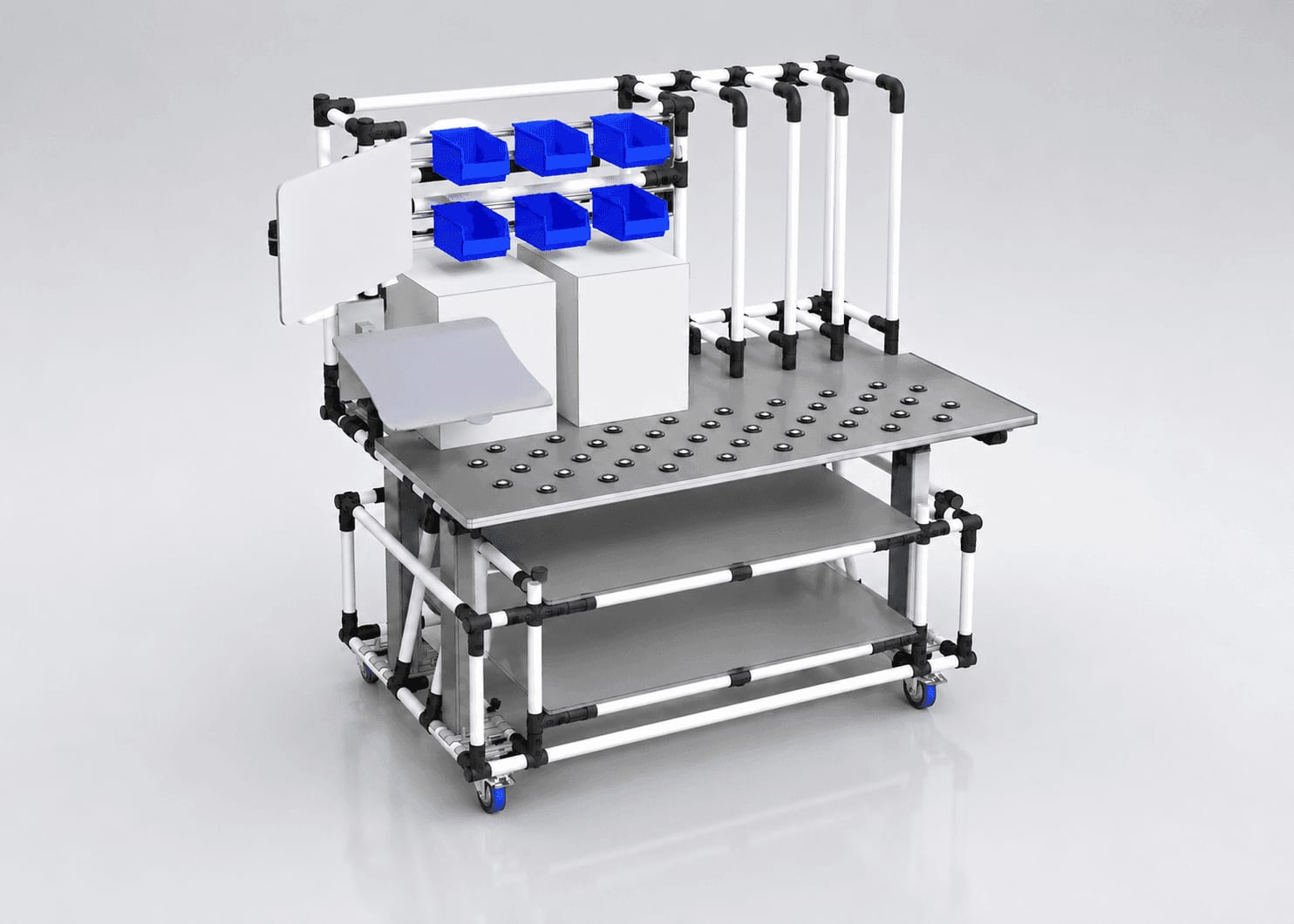
Table élévatrice
Explore a similar need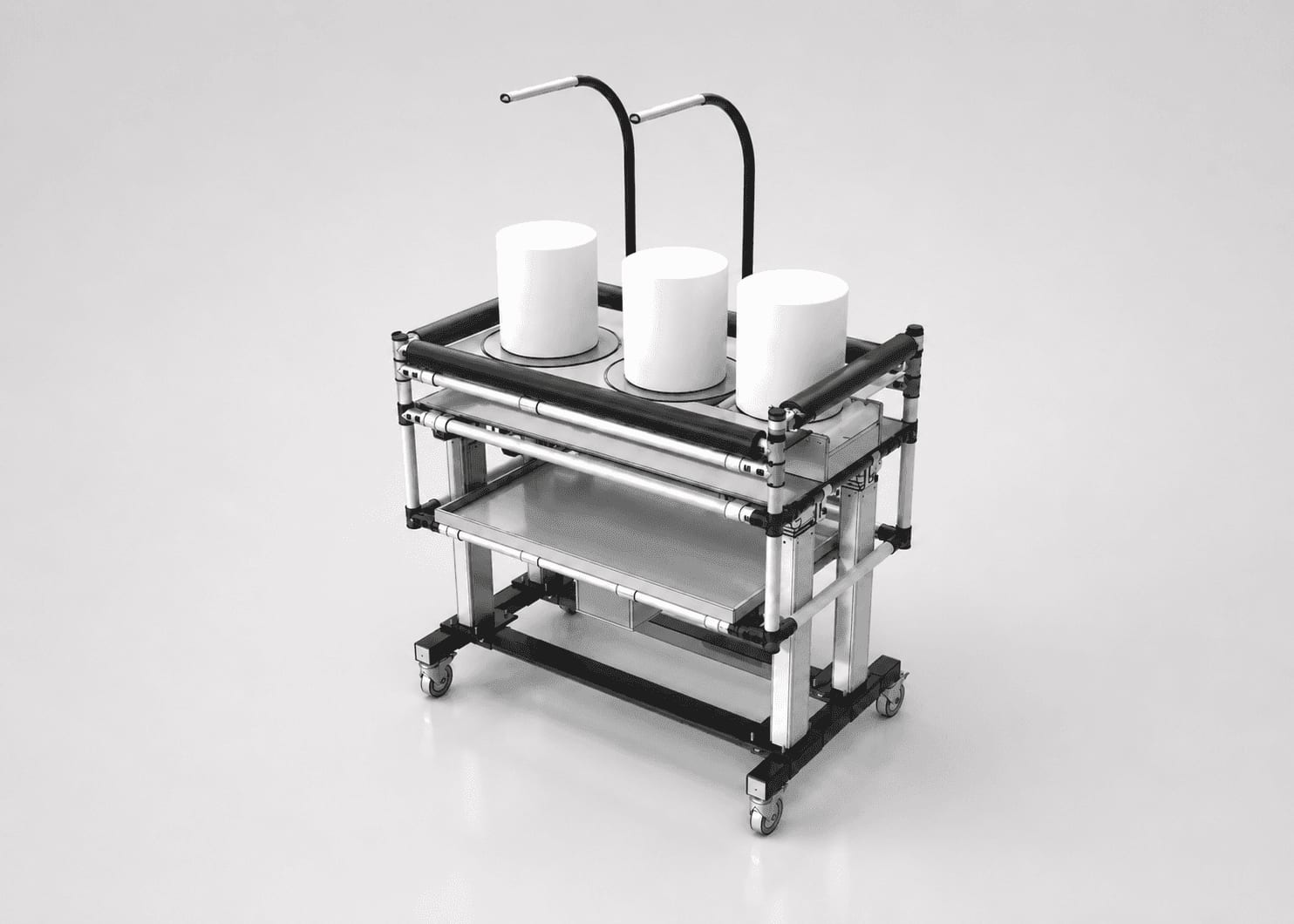
Table élévatrice
Explore a similar need
Table élévatrice
Explore a similar need
Key features of an industrial lifting table
A robust, precise solution for lifting loads in an industrial environment, with performance designed for ergonomics and safety.
Electro-hydraulic lifting system for smooth, stable upward motion
Significant load capacities from 500 kg to 5 tons
Variable lifting heights depending on model (up to 2 meters)
Adjustable up/down speeds to suit load type
Secure control console with up/down buttons and emergency stop
Standard mains power supply (230 V or 400 V depending on model)
What types of industrial lifting tables exist?
To meet the varied needs of industrial environments, several configurations are available for specific constraints:
Single-scissor lifting tables
Offer the best trade-off between footprint and lifting height - ideal for standard applications requiring medium elevation (up to 1 meter) and supporting loads up to 3 tons.
Double-scissor lifting tables
Reach greater heights (up to 2 meters) while keeping a reduced footprint - perfect for operations requiring extensive lifting range.
Low-profile lifting tables
Feature an ultra-thin profile (less than 80 mm in the lowered position), easing floor-level loading without an access ramp - ideal for pallet jacks and material trolleys.
U- or E-shaped lifting tables
Specifically designed for pallet handling, with a shape allowing direct insertion of pallet jack or forklift forks without load transfer.
Rotating-top lifting tables
Combine lifting with a top rotation (typically 360°), optimizing workstation ergonomics by easing access to all sides of the load.
Criteria for choosing your industrial lifting table
4 dimensions to balance to make the right choice.
Load capacity and dimensions
Lifting capacity is the main criterion when choosing an industrial lifting table. It must be sized for the maximum weight of loads handled, with a safety margin of at least 30%. For intensive use, choose a capacity above immediate needs to guarantee equipment longevity. Top dimensions must match the loads precisely: for standard European pallets, a 1300 × 850 mm top is generally sufficient.
Lifting height and duty cycle
Maximum lifting height must be determined based on workstation ergonomics and operational needs. For an ergonomic workstation, the ideal height is generally between 700 and 950 mm depending on the task. Duty cycle is also crucial: for intensive use (more than 30 cycles per hour), choose electric models with adequate cooling and reinforced components.
Operating environment and safety
The operating environment directly influences the choice of lifting table. For humid or corrosive environments, choose stainless steel versions or anti-corrosion treatment. In ATEX zones, specific explosion-proof models are essential. Safety must be a priority: anti-crushing bars, parachute valves against hydraulic failure, audible alarms and emergency stop buttons.
Power source and mobility
Power source choice depends on operational constraints. Electric tables require a suitable power supply (single- or three-phase) but offer optimal usability. Manual hydraulic tables are more economical and usable without electricity but require physical effort. If mobility is a criterion, wheeled tables with integrated battery offer autonomy and flexibility.
Essential components of a lifting table
Every MaKitLean lifting table integrates components sized for performance, safety and durability in industrial environments:
Scissor system
The main structural element ensuring stability during vertical motion. Manufactured in high-strength steel with oversized bearings and axles for optimal durability.
Hydraulic unit
Generates the power required for lifting, with an oil tank, a precision pump, distributors and cylinders sized for the required load capacity.
Top platform
Directly supports the load and can be customized with different coverings (checker plate, stainless steel, rubber) or equipment (stops, rails, rotation devices) depending on application.
Safety devices
Protect operators and loads with systems such as anti-shear bars, parachute valves, travel limiters and audible or visual alarms.
Control system
Lets you precisely control movements via button boxes, foot pedals or remote controls, with optional automatic positioning at preprogrammed heights on advanced models.
Frequently asked questions
What's the difference between an electric lifting table and a hydraulic one?
+The main difference lies in the lifting mechanism and power source. An electric table uses an electric motor coupled to a hydraulic system to generate the pressure needed for lifting. It offers cleaner, quieter, more precise operation - ideal for indoor environments like warehouses and workshops, with standard power supply. A purely hydraulic table runs via a manual pump or external unit. Manual models are more economical and need no electricity but require physical effort and offer slower lifting. The choice mainly depends on usage frequency, load and working environment.What load capacity should I choose for my industrial lifting table?
+Identify the maximum weight of loads you'll handle regularly, then add a safety margin of at least 20% for occasional overloads. Also consider load distribution on the top: a centered load lets you fully use the nominal capacity, while an off-center load reduces it. Standard tables offer capacities from 500 kg to 2 tons, suited to most industrial applications. For heavier loads (up to 10 tons), reinforced models with structures and cylinders sized accordingly are required. For intensive use, choose a table whose capacity exceeds your usual needs to reduce wear and extend lifespan.How do you properly maintain a lifting table to ensure longevity?
+Start with a weekly visual inspection to check for oil leaks, structural deformation or damaged components. For the hydraulic system, check oil level every three months and fully replace it every 1 to 2 years depending on usage intensity. Regularly lubricate (every 1 to 2 months) joints with appropriate grease. Monthly test safety devices (travel limiters, check valves, anti-fall systems). For electric tables, also inspect connections and control buttons. Follow the manufacturer's preventive maintenance schedule and have an in-depth check carried out by a qualified technician at least once a year.What are the advantages of a double-scissor lifting table over a single-scissor model?
+First, a double-scissor table offers significantly greater lifting height (up to 2 meters vs 1 meter for single-scissor models) while keeping the same footprint. This is valuable in tight spaces requiring high lifting. Second, it provides better stability at full extension, especially for off-center loads, thanks to its reinforced structure. Third, it maintains a constant lifting speed over the entire stroke. Finally, for the same top dimensions, it can generally support heavier loads. The main downsides remain a higher price and a slightly greater minimum height in the lowered position.
Ready to equip your workshop?
Our engineering office sizes every lifting table to measure based on your constraints: loads, heights, environment, safety and logistics flows.